
How Long Does a Mini UPS Battery Last?
- Typical Lifespan of Mini UPS Batteries
- Factors Affecting Battery Lifespan
- Maintenance Tips for Prolonging Battery Life
- Signs of Battery Failure
- When to Replace Your Mini UPS Battery
- Conclusion
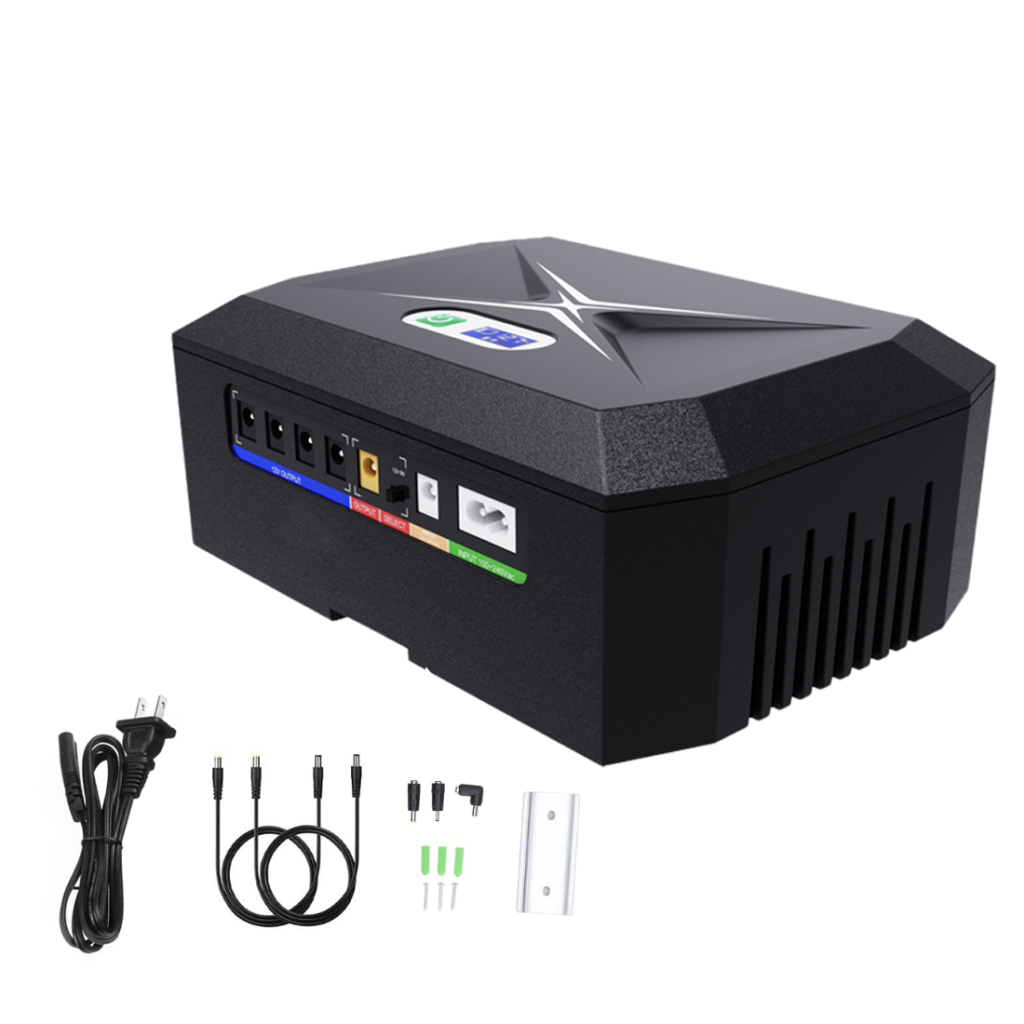
Mini Uninterruptible Power Supplies (UPS) are essential devices for providing backup power to electronic equipment during outages or voltage fluctuations. Understanding the lifespan of a mini UPS battery is crucial for ensuring uninterrupted operation of sensitive devices. This blog will explore the typical lifespan of mini UPS batteries, factors affecting their longevity, maintenance tips, and signs indicating when a battery replacement is necessary.
Typical Lifespan of Mini UPS Batteries
The lifespan of a mini UPS battery primarily depends on the type of battery used:
VRLA Batteries: Valve-Regulated Lead-Acid (VRLA) batteries, commonly used in mini UPS systems, typically last between 3 to 5 years under optimal conditions. These batteries are known for their reliability and cost-effectiveness, making them a popular choice for many applications.
Lithium-Ion Batteries: Lithium-ion batteries have a longer lifespan, generally lasting 8 to 10 years. They offer advantages such as lighter weight, higher energy density, and better performance in terms of charge cycles compared to VRLA batteries.
Factors Affecting Battery Lifespan
Several factors can influence the lifespan of mini UPS batteries:
Ambient Temperature: High temperatures can significantly reduce battery life. Ideally, mini UPS units should be stored and operated in a cool, dry environment. Extreme heat can accelerate chemical reactions within the battery, leading to premature failure.
Quality of Input Power: The quality of the power supply affects battery health. Frequent power surges, sags, or outages can lead to more frequent discharges and recharges, which can shorten battery life. A cleaner power source can help prolong battery longevity.
Discharge Cycles: The frequency and depth of discharge cycles impact battery lifespan. Regularly allowing the battery to discharge fully can lead to a shorter lifespan. It’s advisable to keep the battery charged and avoid deep discharges whenever possible.
Load Conditions: The amount of load connected to the mini UPS also plays a role. If the UPS is consistently running near its maximum capacity, it can lead to increased heat and stress on the battery, reducing its lifespan.
Maintenance Practices: Regular maintenance, including checking connections and ensuring proper ventilation, can help extend battery life. Some mini UPS systems come with monitoring features that alert users to potential issues.
Maintenance Tips for Prolonging Battery Life
To maximize the lifespan of a mini UPS battery, consider the following maintenance practices:
Regular Inspections: Periodically check the UPS for any signs of wear or damage. Look for swelling, corrosion, or leaks in the battery compartment.
Keep It Cool: Ensure that the UPS is placed in a well-ventilated area away from direct sunlight or heat sources. Maintaining a stable temperature can significantly enhance battery performance.
Avoid Overloading: Make sure that the devices connected to the UPS do not exceed its rated capacity. Overloading can lead to overheating and shorten battery life.
Use Quality Equipment: Invest in high-quality UPS systems and batteries from reputable manufacturers. Cheaper alternatives may not provide the same reliability and longevity.
Follow Manufacturer Guidelines: Adhere to the manufacturer’s recommendations for battery care, including charging and maintenance schedules.
Signs of Battery Failure
Recognizing the signs of battery failure can help prevent unexpected downtime. Common indicators include:
Frequent Alarms: If the UPS emits alarms more frequently, it may indicate battery issues.
Reduced Backup Time: A noticeable decrease in the amount of time the UPS can support connected devices during an outage is a clear sign that the battery is aging.
Physical Damage: Any visible signs of damage, such as swelling or leakage, require immediate attention and possible replacement.
Age of the Battery: If the battery is approaching the end of its expected lifespan (3-5 years for VRLA, 8-10 years for lithium-ion), consider planning for a replacement.
When to Replace Your Mini UPS Battery
If you notice any signs of battery failure or if the battery has reached its expected lifespan, it’s time to consider a replacement. Here are some guidelines:
Monitor Performance: Keep track of how long the UPS can sustain power during outages. If performance declines, it may be time for a new battery.
Check Warranty: If your UPS is still under warranty, consult the manufacturer for battery replacement options. Some warranties cover battery replacements.
Consider Full Unit Replacement: If your UPS is more than 8 years old and the battery needs replacement, evaluate whether it’s more cost-effective to replace the entire unit. Newer models may offer better efficiency and features.
Conclusion
Understanding the lifespan of a mini UPS battery and the factors that affect it is essential for maintaining reliable power backup for your devices. With proper care, VRLA batteries can last 3-5 years, while lithium-ion batteries can last 8-10 years. Regular maintenance, monitoring performance, and recognizing signs of battery failure can help ensure that your mini UPS operates effectively, providing peace of mind during power outages. Always follow manufacturer guidelines and consider replacing aging batteries or entire units to maintain optimal performance.
Conclusion
Understanding the lifespan of a mini UPS battery and the factors that affect it is essential for maintaining reliable power backup for your devices. With proper care, VRLA batteries can last 3-5 years, while lithium-ion batteries can last 8-10 years. Regular maintenance, monitoring performance, and recognizing signs of battery failure can help ensure that your mini UPS operates effectively, providing peace of mind during power outages. Always follow manufacturer guidelines and consider replacing aging batteries or entire units to maintain optimal performance.